
Infrastructure and logistics
Physical execution that supports reliable delivery
Logistics is where commercial terms become delivered performance. Execution is built around clear roles, verified data, and repeatable workflows across terminals, carriers, and service providers.
Movements are planned and managed against agreed procedures, applicable regulations, and responsible trade expectations. The emphasis is on operational continuity, disciplined documentation, and proactive exception management.
Operational focus
Our operating focus is to reduce variability around physical movements. That includes readiness checks, coordination across counterparties and service providers, and defined escalation routes so delivery performance is maintained when market and operating conditions change.
Execution modules
We coordinate the operational components that sit around physical movements. Each module is designed to reduce variability and support consistent delivery outcomes.
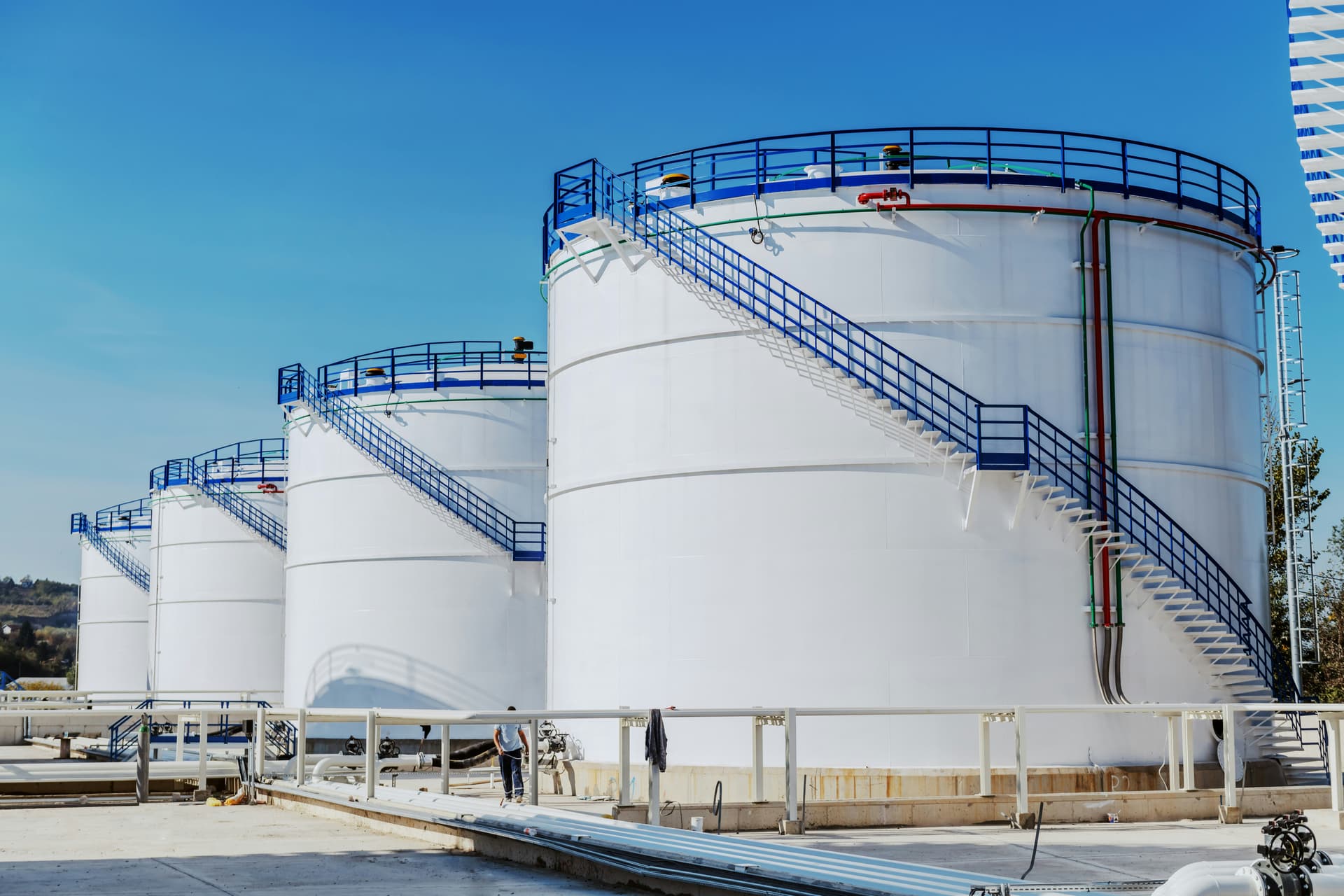
Terminal and storage interfaces
We coordinate nominations, terminal instructions, and load/discharge readiness with operators, inspection agencies, and service providers. The objective is consistent execution against agreed schedules, quantities, and quality requirements.
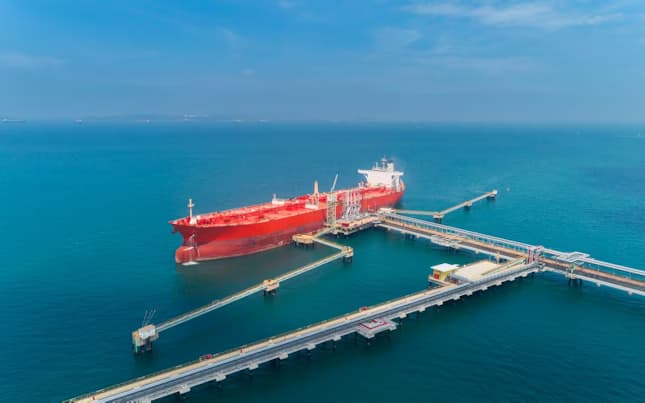
Marine logistics and scheduling
Voyage planning and operational coordination across shipping partners, port agents, and service providers. Workstreams include berthing windows, demurrage exposure management, and contingency routing when conditions change.

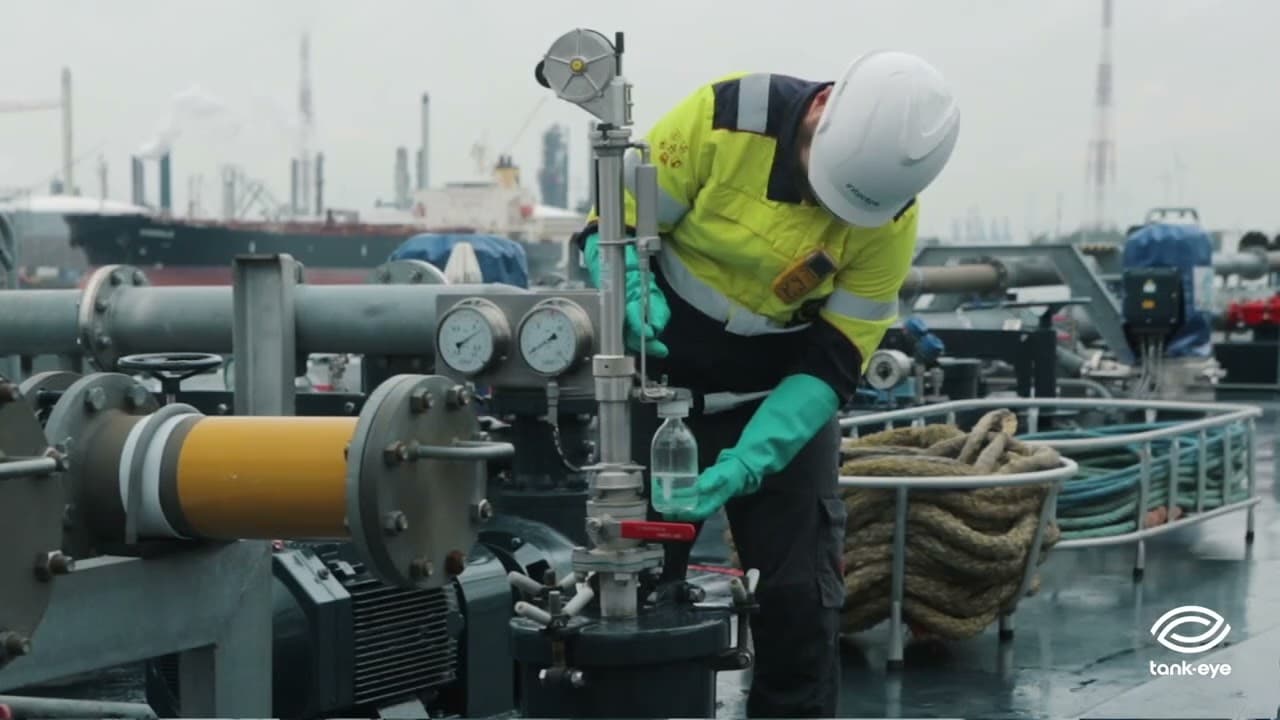
Measurement and quality management
Quality governance is supported through sampling, testing, inspection coordination, and data checks aligned with standard industry practice. Results are reconciled to support custody transfer and downstream acceptance.
Blending and component execution
When required, blending and component interfaces are coordinated through approved facilities and qualified service providers. Execution is managed against defined specifications and documented procedures.

Documentation and controls
Documented workflows support operational continuity across terminals, carriers, and counterparties. Trade documentation, quality records, and shipment files are managed to meet contractual requirements and applicable regulations.

Terminal operations aligned to agreed procedures
Day-to-day lifting and discharge execution is managed with defined roles, escalation paths, and exception handling. That includes interface management, inspection scope alignment, and timely communication to keep operations on plan.
Delivery governance
Controls that support safe, compliant, and reliable performance across the logistics and documentation lifecycle.
Quality and documentation discipline
Execution is supported by specification governance, inspection coordination, and documented checks aligned with standard industry practice. Clear documentation workflows support operational continuity across service providers.
Operational risk management
Operational planning, readiness checks, and defined escalation routes help maintain delivery performance. Exception management is structured to support continuity when schedules, terminals, or weather conditions shift.
Responsible trade controls
Participation is governed by a risk-based compliance framework, including sanctions and trade controls, counterparty review, and recordkeeping standards aligned with responsible market practice.
Documentation and controls
Standardized shipment files support traceability and audit readiness. Records are maintained to evidence agreed procedures, quality outcomes, and operational approvals across the lifecycle of a movement.

Explore how we operate
Our operating model sets out how we manage execution, governance controls, and risk responsibilities across activities.